

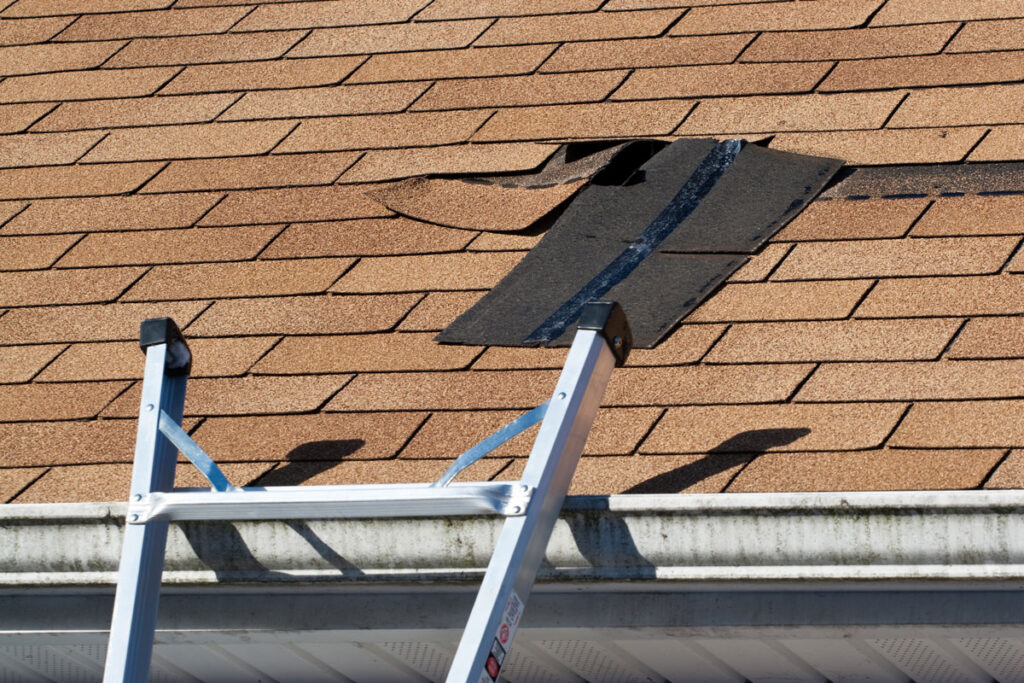
A roof tarp might seem like a simple piece of material, but getting one installed quickly and correctly after a storm can make a significant difference in how smoothly your insurance claim goes. In Chicago and the surrounding suburbs, wind events, hail storms, and heavy rain can strip shingles, crack flashing, or punch holes in a roof with very little warning. What happens in the hours right after that damage occurs often determines how much of your repair cost gets covered.
Why Timing Matters More Than Most People Realize
Insurance carriers look closely at the timeline of events after a storm. One of the things they pay attention to is whether the property owner took reasonable steps to prevent further damage. Failing to act quickly can give an adjuster reason to argue that some of the interior damage, think soaked ceilings, ruined insulation, or warped flooring, was caused by neglect rather than the storm itself. A properly installed roof tarp documents that you acted fast and protected the property as best you could.
We have been responding to storm damage calls across Chicago, Glenview, Northbrook, Des Plaines, Mt. Prospect, and surrounding areas for more than 20 years. In that time, we have seen how much easier the claims process tends to go when emergency tarping is in place before an adjuster ever sets foot on the property.
What Proper Roof Tarping Actually Involves
This is not the same as weighting a tarp down with a few rocks and hoping for the best. Professional roof tarping means using heavy-duty materials that are properly secured to prevent wind from pulling them free, which is especially important in the Chicago area where follow-up storms are common. The tarp needs to cover the entire damaged area and extend well beyond the compromised section to channel water away rather than letting it pool at the edges and seep in.
Our team performs a thorough assessment before any tarp goes up. We document the storm damage with photos and notes, which becomes part of the record we help you build for your insurance claim. That documentation is something adjusters rely on, and having it prepared by an experienced restoration team carries real weight.
How Roof Tarping Supports Your Insurance Claim
Here is the practical connection: your homeowners or commercial property insurance policy almost certainly includes a clause requiring you to mitigate further damage after a covered event. Roof tarping is one of the clearest ways to satisfy that requirement when a storm has left your structure exposed.
Because we are insurance company recommended and work directly with insurance carriers on claims, we know what documentation adjusters expect and how to present damage assessments clearly. We can assist with property damage appraisals and insurance claim assessments, so you are not left trying to piece everything together on your own while also dealing with a damaged roof and whatever got wet inside.
For homeowners in Northbrook, business owners in Des Plaines, or anyone across Mt. Prospect and Glenview facing storm damage, having a restoration company that speaks the same language as your insurance carrier from day one takes a significant amount of pressure off your shoulders.
What to Do Immediately After Wind or Storm Damage
If a storm has damaged your roof, a few steps right away will put you in the best position possible.
- Stay out of any area where the structure looks compromised or where water is actively coming in.
- Call a professional restoration service before making any repairs yourself. DIY attempts can sometimes void coverage or muddy the damage record.
- Take your own photos of the damage if you can do so safely from the ground or inside, but do not climb onto a wet or damaged roof.
- Contact your insurance carrier to report the damage and let them know a professional is already on the way.
We are available 24 hours a day, seven days a week, because storm damage does not keep business hours. Whether a storm rolls through Chicago late on a Friday night or a wind event catches Des Plaines off guard on a holiday weekend, our team can respond, get a tarp in place, and start the documentation process right away.
Protecting the Property Long Enough to Restore It Right
A roof tarp is not a permanent fix, but it is a critical first step. It buys time for a full assessment, protects the interior from ongoing moisture damage, and creates a clear record that you responded responsibly. After the tarp is secure, we work with you through the full restoration process, from the insurance claim assessment through the final repairs, whether that involves roof work, interior water damage cleanup, or anything else the storm left behind.
If wind or storm damage has affected your property anywhere in the Chicago area, including Glenview, Northbrook, Mt. Prospect, Des Plaines, and the surrounding communities, please give us a call or drop us an email. We are glad to walk you through what to expect and get someone out to you as quickly as possible.

