

Water damage clean up is one of those things that looks straightforward from the outside — you dry out the wet stuff, right? In reality, the process is layered, methodical, and often takes days or even weeks to complete properly. If you’ve recently dealt with a burst pipe, a flooded basement, or storm-related water intrusion, understanding what’s actually happening behind the scenes can make the whole experience a lot less stressful.
The First Hours Matter More Than Most People Realize
When water enters a home or building, the clock starts ticking immediately. Within the first day or two, standing water soaks into drywall, insulation, flooring, and wood framing. The longer that moisture sits, the more deeply it penetrates, and the greater the risk of secondary damage like mold growth and structural weakening.
That’s why we respond 24/7. Whether we’re getting a call from a homeowner in Chicago at 2 a.m. or a property manager in Northbrook on a Sunday afternoon, the first step is always the same: get there quickly, assess what we’re dealing with, and start stopping the damage from spreading. Our team brings moisture detection equipment to find water that’s already migrated into walls or subfloors, even when the surface looks dry to the touch.
Extraction Is Just the Beginning
Once visible water is extracted, the real work begins. Industrial-grade dehumidifiers and air movers get placed strategically throughout the affected space to pull moisture out of materials over time. This isn’t something that wraps up in an afternoon. Depending on the extent of the damage, the size of the space, and the materials involved, the drying phase alone can take anywhere from several days to over a week.
We monitor moisture readings daily throughout this phase, adjusting equipment placement as conditions change. Skipping steps here, or pulling equipment too early, is one of the most common reasons water damage leads to mold problems down the line. We’ve seen it happen in properties across Park Ridge, Evanston, Morton Grove, and the surrounding areas, and it’s always a more difficult and expensive fix after the fact.
Structural Assessment and Controlled Demolition
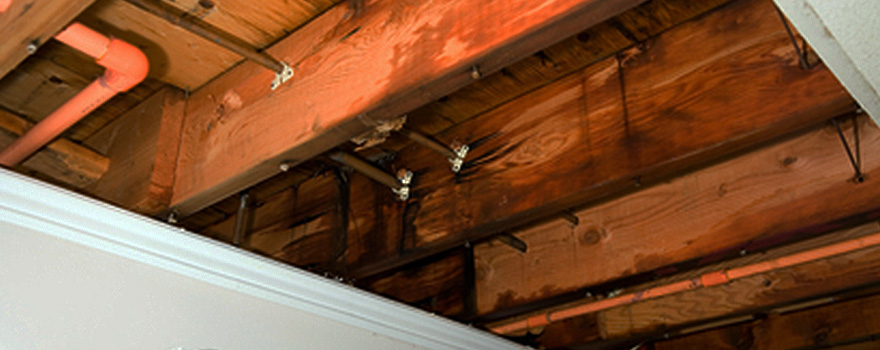
In more serious cases, water damage makes it necessary to remove materials that simply cannot be dried in place. Soaked drywall, for instance, can trap moisture against the framing behind it even while the surface feels dry. Saturated insulation almost never recovers fully. Flooring can buckle and cup in ways that won’t reverse once it dries.
This is where controlled demolition comes in. We remove only what needs to go, document everything carefully, and work closely with your insurance carrier through the claims process. Our team performs property damage appraisals and insurance claim assessments, so we’re already prepared to communicate exactly what happened and why the work scope is what it is. Being insurance company recommended means we understand how to move through this process in a way that’s clear and fair for everyone involved.
Why Full Restoration Takes as Long as It Does
After drying and any necessary demolition, the property needs to be rebuilt. That means replacing drywall, flooring, insulation, trim, and sometimes cabinetry or other structural elements. Coordinating materials, inspections, and labor takes time, especially when a property has sustained significant damage.
Over more than 20 years working with residential, commercial, and industrial clients in Chicago and the surrounding areas, we’ve found that most property owners are surprised by the full scope of what water damage cleanup involves. It’s not impatience on their part, it’s simply that from the outside, these jobs look simpler than they are. We make a point of walking every client through each phase so there are no surprises.
What You Can Do While You Wait
If you’re in the middle of a water damage situation right now, a few things can help before our team arrives. Remove small valuables from the affected area if it’s safe to do so. Avoid running fans over standing water, since that can spread contamination. And please don’t assume things are fine just because the surface looks dry; hidden moisture is the root cause of most post-flood mold problems.
If you have questions about a current situation or just want to understand your options, please give us a call or drop us an email. We’re always happy to talk through what’s going on and help you figure out the right next step.

