

Flood restoration is one of the most common services we provide, and one of the most common questions we hear from property owners is simple but important: is this a flood claim or a water damage claim? The answer actually matters quite a bit, because insurance policies treat these two categories very differently. Getting it wrong from the start can slow down your claim, reduce your payout, or in some cases cause a denial you did not see coming.
How Insurance Defines “Flood” vs. “Water Damage”
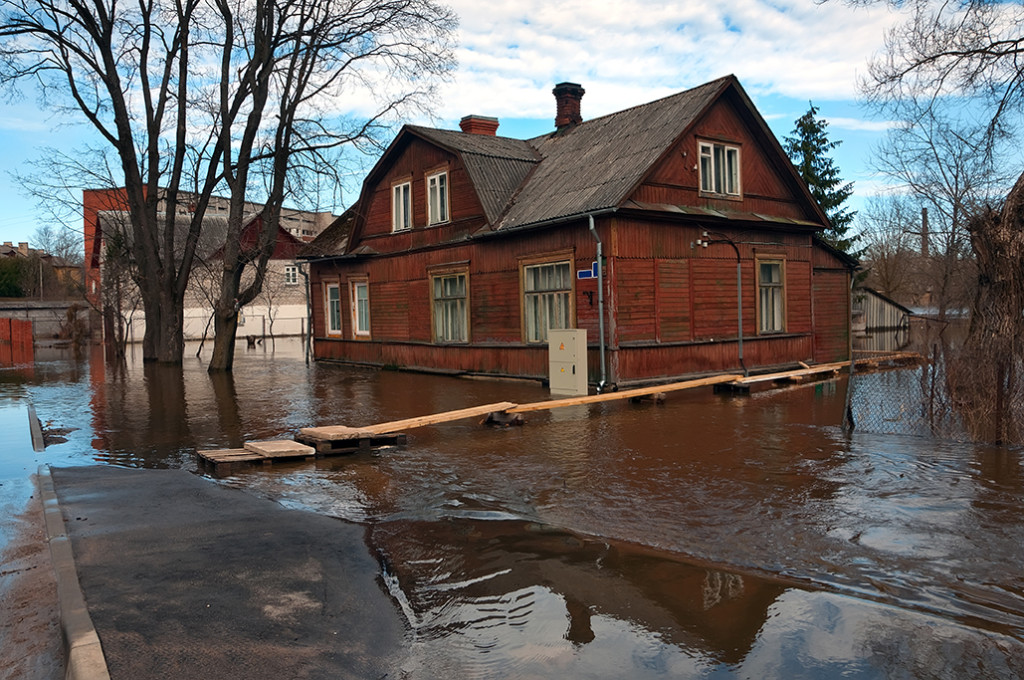 In everyday conversation, most people use these terms interchangeably. Insurance companies do not. Standard homeowners and commercial property policies generally define water damage as water that originates from inside the structure or from a sudden, accidental event. Think of a burst pipe in the middle of winter, an overflowing washing machine, or a roof leak that lets rain into the attic. That kind of damage typically falls under a standard property policy.
Flood damage, by contrast, is defined as water that comes from an external natural source and affects two or more properties or a broad area of land. Rising water from a river, storm surge, overland runoff after heavy rain, or a flash flood event all fit this definition. That type of damage is almost never covered by a standard homeowners policy. It requires a separate flood insurance policy, often through the National Flood Insurance Program or a private flood carrier.
For property owners in Chicago, Evanston, Skokie, Niles, Des Plaines, and the surrounding region, this distinction comes up constantly. Our area sees a real mix of heavy rain events, aging drainage infrastructure, and basement flooding that can originate from multiple sources at once. Sometimes the same property has both types of damage occurring simultaneously, which makes sorting through the claim even more complex.
Why the Source of Water Is Everything
When we respond to a water or flood emergency, one of the first things we do is help identify where the water actually came from. That sounds straightforward, but it often is not. A finished basement with standing water might have water coming from a sump pump failure (potentially covered under a standard policy with the right rider), from a sewer backup (often requiring its own endorsement), or from groundwater that entered through foundation cracks after a major storm (more likely a flood scenario). Each source can point toward a different part of a policy, or a different policy entirely.
This is exactly why we work directly with insurance carriers on claims. Our team can help document the source and extent of damage in a way that gives adjusters a clear picture. After more than 20 years in the restoration business, we have seen how thorough documentation at the very beginning of a claim changes outcomes for property owners.
What Happens If You Have Both?
This is more common than people expect. A major storm can drive water through a roof opening while simultaneously causing groundwater to push into the basement. You may end up filing with two separate carriers, or identifying coverage gaps that need to be addressed going forward.
We handle the restoration side regardless of how the claim ultimately resolves. Whether it is water removal, structural drying, mold remediation, board-up and roof tarping after storm damage, or full property restoration, our crews respond around the clock. Being available 24/7 is not just a marketing point for us; in water and flood situations, every hour that passes without mitigation increases the cost and complexity of the restoration.
A Few Things to Do Right After the Event
Before an adjuster arrives and before our team is on site, there are steps that help protect your claim and your property.
- Document everything with photos and video before anything is moved or cleaned.
- Note when the event started and what you observed about where the water came from.
- Avoid discarding damaged materials until they have been recorded and ideally seen by an adjuster.
- Contact your insurance carrier as early as possible to report the loss and ask which policy applies.
If you are unsure which of your policies covers the situation, or whether you have flood coverage at all, that is worth a call to your agent as well. We can assist with property damage appraisals and insurance claim assessments, which can be especially helpful when the source of damage is disputed or unclear.
We Are Here to Help You Through It
The gap between flood restoration and water damage restoration is technical, but the stress of dealing with either one is very real. Our team serves Chicago and the surrounding communities including Evanston, Skokie, Niles, and Des Plaines, and we have helped residential, commercial, and industrial property owners work through claims of every size and complexity. We are insurance company recommended and have longstanding relationships with carriers that make the process smoother for our clients.
If you are dealing with water or flood damage right now, or if you just have questions about what your policy might cover and how restoration works, please give us a call or drop us an email. We are glad to help you figure out the right next step.

