

Water damage restoration is most effective when you act fast. Whether a pipe burst overnight, a storm flooded your basement, or an appliance failed while you were at work, the first 24 hours after water damage are critical. What you do (and what you avoid doing) in that window can mean the difference between a manageable repair and a far more costly, long-term problem. Here is a practical guide to help you move through those first hours with clarity.
Stop the Source If You Safely Can
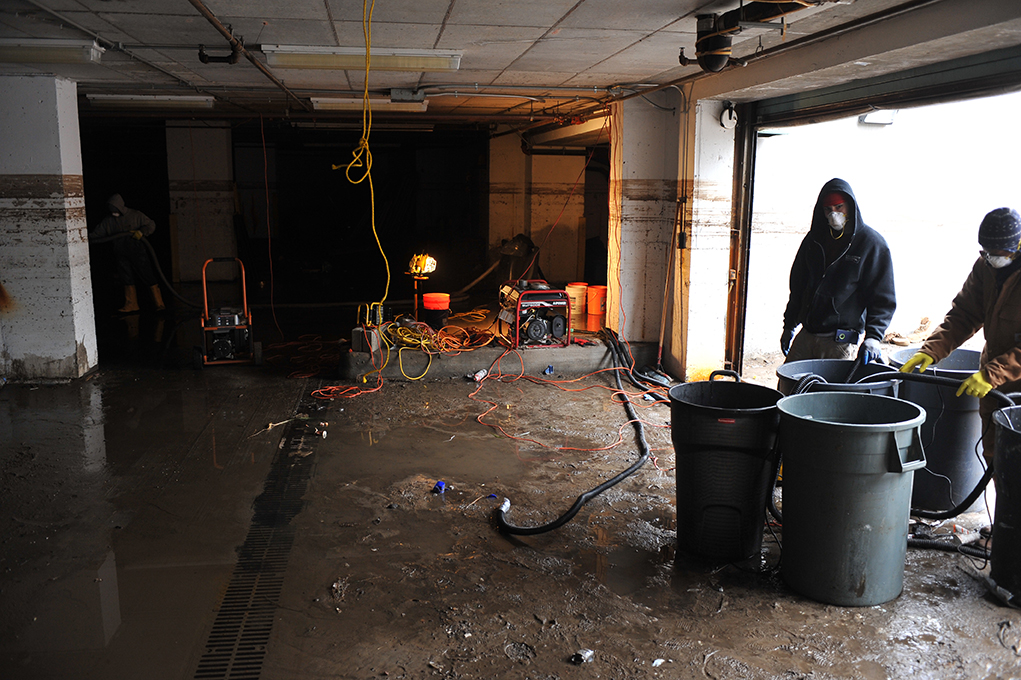
Before anything else, try to stop water from continuing to enter the property. Shut off the main water supply if the damage stems from a broken pipe or plumbing failure. If the flooding is from a storm or exterior source, that step may not be possible, but do what you can to limit additional exposure. If there is any risk of electrical hazards in the affected area, do not enter until the power has been shut off at the breaker. Safety comes first, always.
Document Everything Before You Touch It
Once it is safe to move through the space, take photos and video of all affected areas before you move furniture, pull up flooring, or start any cleanup. Capture standing water, damaged belongings, affected walls and ceilings, and anything else showing visible damage. This documentation is essential for your insurance claim, and the more thorough you are here, the smoother the claims process tends to go.
Speaking of insurance: call your carrier as soon as possible. At A-Emergency Services and Restoration, we work directly with insurance companies on behalf of our clients, so you do not have to navigate that process alone. We also perform property damage appraisals and insurance claim assessments, which takes a significant burden off your plate during an already stressful time.
Call a Professional Restoration Team Right Away
This is not the kind of situation where a few towels and a box fan will be enough. Water moves into walls, subfloors, insulation, and structural materials faster than it looks on the surface. Without professional water removal and drying equipment, moisture left behind becomes a mold problem within 24 to 72 hours.
Our team serves Chicago and surrounding communities including Skokie, Niles, Des Plaines, Morton Grove, and beyond, and we are available 24 hours a day, seven days a week for exactly this reason. Emergencies do not wait for business hours, and neither do we. When you call us, we respond quickly and get to work assessing the full scope of the damage right away.
Move What You Can, But Do Not Over-Do It
While you are waiting for the restoration crew to arrive, you can begin moving smaller personal items, documents, and valuables out of the affected area, provided it is safe to do so. Prop up furniture on blocks or foil if you have it to prevent staining on wet carpet. Open interior doors to encourage airflow. But resist the urge to run fans or a dehumidifier on saturated materials without professional guidance; improper drying can sometimes spread contamination or make structural drying harder later.
Watch for Hidden Damage
Water has a way of traveling far beyond the obvious wet zone. Ceilings can hold water invisibly until they sag or collapse. Walls may feel dry to the touch while the insulation inside is saturated. Subfloors can warp days after the surface appears dry. A trained restoration team uses moisture meters and thermal imaging to find what you cannot see, which is why a professional assessment matters so much in those first hours.
Over more than 20 years serving residential, commercial, and industrial properties across the Chicago area, we have seen how quickly a water event can escalate when the early steps are skipped or delayed. We have also seen how much smoother recovery goes when property owners reach out quickly and let experienced professionals handle the assessment, water removal, drying, and full restoration from start to finish.
A Few Things to Avoid in That First Day
Do not use a standard vacuum to try to remove standing water. Do not turn on ceiling light fixtures or fans if the ceiling is wet. Do not enter rooms where the flooring feels soft or unstable underfoot. And do not assume the damage is less serious than it looks; water damage almost always extends further than the visible surface.
If you are dealing with water damage right now in Chicago, Skokie, Niles, Des Plaines, Morton Grove, or anywhere nearby, please give us a call or drop us an email. We are here around the clock and happy to help you figure out your next steps.

