

Roof Tarp in Northbrook, Chicago, Deerfield, IL, Skokie, Northfield, and Nearby Cities
After severe weather, homeowners often face roof leaks, missing shingles, or exposed areas that allow water into the home. A roof tarp is commonly used as a temporary roof covering to limit water intrusion and reduce additional interior damage until permanent repairs can be completed. At A Emergency Services & Restoration, we assist homeowners in Northbrook, Evanston, Chicago, Deerfield, IL, Skokie, Northfield, and surrounding areas by installing an roof tarp as part of emergency response following storm-related roof damage.
Why Roof Tarping Is Important After a Storm
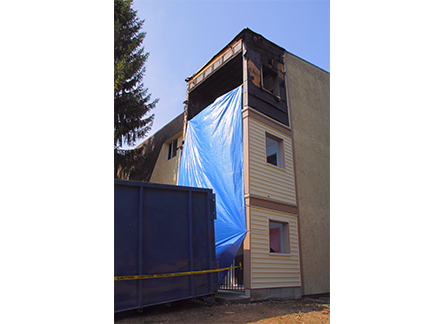 Storms with strong wind, hail, or heavy rain can compromise roofing materials quickly. Even small openings can allow moisture to enter the attic, insulation, or walls. Temporary tarping helps support storm damage protection by covering exposed areas and reducing the chance of secondary issues such as mold growth, ceiling stains, or weakened structural materials.
When an Emergency Roof Tarp Is Needed
Homeowners may need an emergency roof tarp if shingles are missing, flashing is damaged, tree branches impact the roof, or leaks appear shortly after a storm. In these situations, waiting for full roof repairs without protection may increase the extent of damage. Tarping offers short-term protection while insurance inspections, estimates, and scheduling take place.
What to Expect During Tarp Installation
The process typically begins with a visual roof inspection to identify damaged sections. Technicians then secure a durable tarp over affected areas, fastening it in a way that helps channel water away from the roof opening. Proper installation focuses on safety, stable attachment, and coverage that limits water entry during future rain.
Temporary Protection, Not a Permanent Fix
It is important to understand that tarping is not a replacement for roof repair or replacement. It is a temporary measure designed to protect the home while long-term solutions are planned. Homeowners should follow up with a qualified roofing professional to address the underlying damage once conditions allow.
Supporting the Recovery Process
Storm response often involves multiple steps, including documentation for insurance claims and coordination with repair contractors. Temporary roof protection helps stabilize the situation so homeowners can move forward with clarity.
Please reach out with any questions you might have, and we will be happy to help.

