
A-Emergency Services & Restoration
Facebook
773-529-6700
Providing fast, reliable emergency service and quality restoration for all property owners.
  • Home
  • Emergency Services
  • Glass Replacement
  • Property Damage Restoration
    • Fire Damage Clean Up & Fire Restoration
    • Water Damage Clean Up & Water Removal
    • Flood Restoration
    • Smoke Damage Restoration
    • Broken Pipe Repair
  • Mold Removal
  • Blog
  • Contact Us
Menu

Blog about Home Restoration in Chicago, Lincolnwood, Niles, Park Ridge, Deerfield, IL, and Surrounding Areas

Why Fast Water Removal Is the Deciding Factor in Saving Floors, Walls, and Ceilings

Posted on: November 16th, 2026

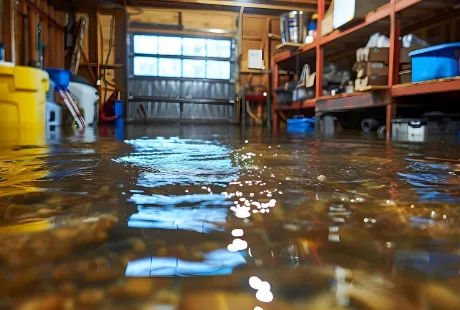
Water removal isn’t just a cleanup step — it’s the most time-sensitive decision you’ll make after a pipe bursts, a basement floods, or a roof leak soaks through your ceiling. The longer standing water sits, the more it works its way into flooring adhesives, wall cavities, and ceiling materials, turning what might have been a manageable repair into a full-scale gut job. We’ve seen this play out countless times across Chicago, Park Ridge, Skokie, Deerfield, Northfield, and surrounding areas, and the pattern is almost always the same: the faster the water comes out, the more of the structure we get to save.
Why Fast Water Removal Is the Deciding Factor in Saving Floors, Walls, and Ceilings

What Water Actually Does to a Building in the First 24 to 48 Hours

Most people picture water damage as visible soaking, but the real problem is absorption. Hardwood floors begin to swell and cup within hours of exposure. Drywall, which is essentially a paper-and-gypsum sandwich, soaks up moisture from the bottom up and loses structural integrity fast. Subfloor materials, especially particleboard or OSB, can swell and delaminate before the water on top of them even looks serious.

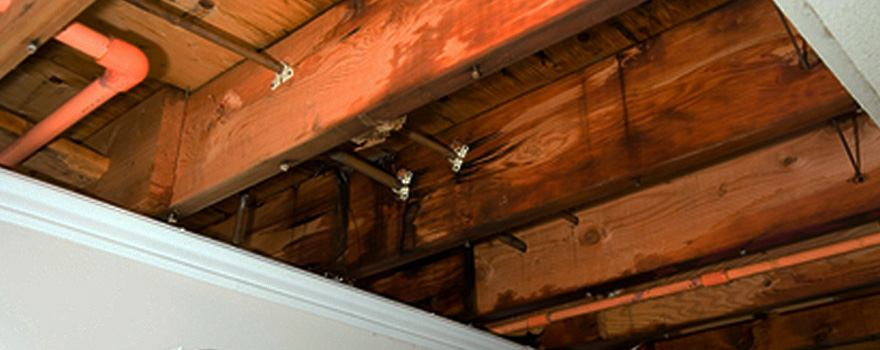
Ceilings are particularly vulnerable because water pools in the cavity between floors and doesn’t always announce itself right away. By the time you see a stain or a sag, the material above it has often been saturated for hours. And once mold enters the picture — which can begin in as little as 24 to 48 hours in warm, damp conditions — the remediation scope grows considerably.

That’s why the goal isn’t just extraction. It’s extraction fast enough to interrupt the absorption process before materials reach the point where they can’t be dried in place.

How Professional Water Removal Works (and Why It’s Different from Mopping Up)

Residential mops and wet vacs pull surface water, but they don’t address moisture trapped inside materials. Professional extraction uses truck-mounted or portable high-capacity equipment that removes water at a volume and speed that consumer tools simply can’t match. After extraction, industrial air movers and dehumidifiers are positioned strategically to pull moisture out of walls, floors, and structural cavities from the inside out.

Moisture meters guide the process. Without them, you’re guessing. A floor can feel dry underfoot and still hold enough trapped moisture to grow mold or cause cupping weeks later. Our highly trained staff monitors readings throughout the drying process to confirm materials are genuinely returning to safe moisture levels, not just surface-dry.

We also work directly with insurance carriers, which matters when you’re already managing a stressful situation. We handle property damage appraisals and insurance claim assessments, so the documentation insurers need is accurate, thorough, and ready.

Why the Clock Matters More Than Most People Realize

A common misconception is that water damage is water damage regardless of when you address it. In reality, the timeline is everything. Floors that are extracted and dried within the first several hours have a strong chance of being saved. Those same floors, left wet for a day or two, often require full replacement. The same is true for drywall: dried quickly, it may only need minor repairs; left saturated, entire sections have to come out.

That’s why we’re available around the clock, every day. Emergencies don’t schedule themselves for business hours, and a flooded basement at midnight in Chicago or a burst pipe on a Sunday in Skokie or Park Ridge isn’t something that should wait until morning. Our 24/7 emergency response exists specifically because the gap between “early intervention” and “major structural damage” is often measured in hours, not days.

Saving the Structure Is the Point

After more than 20 years of responding to water, flood, and property damage across the Chicago area, including communities like Deerfield, Northfield, and surrounding areas, we’ve learned that what property owners want most is straightforward: save as much of the building as possible, minimize cost and disruption, and get back to normal. Fast water removal is the single biggest factor in making that happen.

If you’re dealing with water damage right now or want to talk through a situation before it gets worse, please give us a call or drop us an email. We’re here whenever you need us.

Posted in Water Removal | Comments Off on Why Fast Water Removal Is the Deciding Factor in Saving Floors, Walls, and Ceilings

How to Work With Your Insurance Company During Fire Damage Cleanup

Posted on: November 6th, 2026

Fire damage clean up is one of the most overwhelming experiences a property owner can face, and one of the biggest sources of added stress is figuring out how to work with your insurance company at the same time. The good news is that with the right steps and a knowledgeable restoration team in your corner, the claims process does not have to be a battle. Here is what we recommend based on more than 20 years of helping homeowners and business owners across Chicago, Northfield, Morton Grove, Lincolnwood, Niles, and surrounding areas get through fire damage recovery.

How to Work With Your Insurance Company During Fire Damage Cleanup

Start Documenting Before Anything Gets Touched

Your very first priority, once everyone is safe and the fire is out, is documentation. Walk through every affected area and take photos and video of everything you can see: charred walls, smoke-stained ceilings, damaged belongings, broken windows, structural issues. Do this before any cleanup begins. Insurance adjusters rely heavily on visual evidence, and the more thorough your documentation, the harder it is for a claim to be disputed or undervalued.

Keep a written log as well. Note the date and time of the incident, what rooms or areas were affected, and any immediate hazards you observed. If you have receipts, warranties, or photos of your belongings from before the fire, gather those too. Every detail you can provide strengthens your claim.

Protect the Property Right Away

Most insurance policies include a provision that requires you to take reasonable steps to prevent further damage after a loss. That means securing the property even before a full restoration begins. Board-up services, roof tarping, and glass replacement are not just about safety; they are often necessary to stay in compliance with your policy.

We provide 24/7 emergency response for exactly this reason. When a fire hits a home in Lincolnwood at midnight or a commercial property in Niles over a holiday weekend, we are available to respond and get the structure protected quickly. Acting fast on this step also tends to keep insurance adjusters happy, since it shows the property owner is taking responsibility seriously.

Notify Your Insurer Promptly and Know What to Expect

Contact your insurance company as soon as it is practical to do so. Most policies require prompt notification after a loss, and delays can sometimes complicate a claim. When you call, have your policy number ready and be prepared to give a brief description of what happened. From there, your insurer will typically assign an adjuster to assess the damage.

Here is something worth knowing: the adjuster works for the insurance company, not for you. That is not necessarily adversarial, but it does mean having your own independent assessment matters. We perform property damage appraisals and insurance claim assessments, and we work directly with carriers to help make sure the scope of work is accurately represented. Having a restoration company with that kind of experience in your corner, whether you are in Morton Grove, Chicago, or anywhere in between, can make a meaningful difference in the outcome of your claim.

Stay Organized Through the Restoration Process

Once the claim is underway and fire damage clean up and restoration work begins, keep every invoice, estimate, and written communication you receive. Create a simple folder, physical or digital, for everything related to the loss. If your insurer requests documentation, you want to be able to respond quickly and completely.

Also, do not sign off on any final settlement until you are confident the full scope of damage has been addressed. Smoke and soot can affect areas well beyond the visible fire damage, and moisture from firefighting efforts can lead to mold problems if not properly remediated. We have seen situations across Northfield and the broader Chicago area where secondary damage was discovered after a settlement had already been accepted, which put homeowners in a difficult position. Make sure your restoration team does a thorough assessment before you consider the claim closed.

Work With a Restoration Company That Knows the Process

Being insurance company recommended and having worked alongside carriers for over two decades means we understand what adjusters look for and how to communicate effectively throughout the process. We offer personalized emergency response service plans and handle everything from the initial board-up to full home or commercial restoration. Our team is highly trained in disaster restoration services, and we work with residential, commercial, and industrial properties, including vacant and foreclosed buildings.

If a fire has recently affected your property in Chicago, Niles, Morton Grove, Lincolnwood, Northfield, or the surrounding communities, please give us a call or drop us an email. We are happy to walk you through the next steps and help take some of the weight off your shoulders.

Posted in Fire Damage Clean up | Comments Off on How to Work With Your Insurance Company During Fire Damage Cleanup

What Water Damage Cleanup Actually Involves — And Why It Takes Longer Than You’d Expect

Posted on: October 16th, 2026

Water damage clean up is one of those things that looks straightforward from the outside — you dry out the wet stuff, right? In reality, the process is layered, methodical, and often takes days or even weeks to complete properly. If you’ve recently dealt with a burst pipe, a flooded basement, or storm-related water intrusion, understanding what’s actually happening behind the scenes can make the whole experience a lot less stressful.

What Water Damage Cleanup Actually Involves — And Why It Takes Longer Than You'd Expect

The First Hours Matter More Than Most People Realize

When water enters a home or building, the clock starts ticking immediately. Within the first day or two, standing water soaks into drywall, insulation, flooring, and wood framing. The longer that moisture sits, the more deeply it penetrates, and the greater the risk of secondary damage like mold growth and structural weakening.

That’s why we respond 24/7. Whether we’re getting a call from a homeowner in Chicago at 2 a.m. or a property manager in Northbrook on a Sunday afternoon, the first step is always the same: get there quickly, assess what we’re dealing with, and start stopping the damage from spreading. Our team brings moisture detection equipment to find water that’s already migrated into walls or subfloors, even when the surface looks dry to the touch.

Extraction Is Just the Beginning

Once visible water is extracted, the real work begins. Industrial-grade dehumidifiers and air movers get placed strategically throughout the affected space to pull moisture out of materials over time. This isn’t something that wraps up in an afternoon. Depending on the extent of the damage, the size of the space, and the materials involved, the drying phase alone can take anywhere from several days to over a week.

We monitor moisture readings daily throughout this phase, adjusting equipment placement as conditions change. Skipping steps here, or pulling equipment too early, is one of the most common reasons water damage leads to mold problems down the line. We’ve seen it happen in properties across Park Ridge, Evanston, Morton Grove, and the surrounding areas, and it’s always a more difficult and expensive fix after the fact.

Structural Assessment and Controlled Demolition

In more serious cases, water damage makes it necessary to remove materials that simply cannot be dried in place. Soaked drywall, for instance, can trap moisture against the framing behind it even while the surface feels dry. Saturated insulation almost never recovers fully. Flooring can buckle and cup in ways that won’t reverse once it dries.

This is where controlled demolition comes in. We remove only what needs to go, document everything carefully, and work closely with your insurance carrier through the claims process. Our team performs property damage appraisals and insurance claim assessments, so we’re already prepared to communicate exactly what happened and why the work scope is what it is. Being insurance company recommended means we understand how to move through this process in a way that’s clear and fair for everyone involved.

Why Full Restoration Takes as Long as It Does

After drying and any necessary demolition, the property needs to be rebuilt. That means replacing drywall, flooring, insulation, trim, and sometimes cabinetry or other structural elements. Coordinating materials, inspections, and labor takes time, especially when a property has sustained significant damage.

Over more than 20 years working with residential, commercial, and industrial clients in Chicago and the surrounding areas, we’ve found that most property owners are surprised by the full scope of what water damage cleanup involves. It’s not impatience on their part, it’s simply that from the outside, these jobs look simpler than they are. We make a point of walking every client through each phase so there are no surprises.

What You Can Do While You Wait

If you’re in the middle of a water damage situation right now, a few things can help before our team arrives. Remove small valuables from the affected area if it’s safe to do so. Avoid running fans over standing water, since that can spread contamination. And please don’t assume things are fine just because the surface looks dry; hidden moisture is the root cause of most post-flood mold problems.

If you have questions about a current situation or just want to understand your options, please give us a call or drop us an email. We’re always happy to talk through what’s going on and help you figure out the right next step.

Posted in Water Damage Clean Up | Comments Off on What Water Damage Cleanup Actually Involves — And Why It Takes Longer Than You’d Expect

How Roof Tarping Protects Your Insurance Claim After Wind or Storm Damage

Posted on: October 6th, 2026

A roof tarp might seem like a simple piece of material, but getting one installed quickly and correctly after a storm can make a significant difference in how smoothly your insurance claim goes. In Chicago and the surrounding suburbs, wind events, hail storms, and heavy rain can strip shingles, crack flashing, or punch holes in a roof with very little warning. What happens in the hours right after that damage occurs often determines how much of your repair cost gets covered.

How Roof Tarping Protects Your Insurance Claim After Wind or Storm Damage

Why Timing Matters More Than Most People Realize

Insurance carriers look closely at the timeline of events after a storm. One of the things they pay attention to is whether the property owner took reasonable steps to prevent further damage. Failing to act quickly can give an adjuster reason to argue that some of the interior damage, think soaked ceilings, ruined insulation, or warped flooring, was caused by neglect rather than the storm itself. A properly installed roof tarp documents that you acted fast and protected the property as best you could.

We have been responding to storm damage calls across Chicago, Glenview, Northbrook, Des Plaines, Mt. Prospect, and surrounding areas for more than 20 years. In that time, we have seen how much easier the claims process tends to go when emergency tarping is in place before an adjuster ever sets foot on the property.

What Proper Roof Tarping Actually Involves

This is not the same as weighting a tarp down with a few rocks and hoping for the best. Professional roof tarping means using heavy-duty materials that are properly secured to prevent wind from pulling them free, which is especially important in the Chicago area where follow-up storms are common. The tarp needs to cover the entire damaged area and extend well beyond the compromised section to channel water away rather than letting it pool at the edges and seep in.

Our team performs a thorough assessment before any tarp goes up. We document the storm damage with photos and notes, which becomes part of the record we help you build for your insurance claim. That documentation is something adjusters rely on, and having it prepared by an experienced restoration team carries real weight.

How Roof Tarping Supports Your Insurance Claim

Here is the practical connection: your homeowners or commercial property insurance policy almost certainly includes a clause requiring you to mitigate further damage after a covered event. Roof tarping is one of the clearest ways to satisfy that requirement when a storm has left your structure exposed.

Because we are insurance company recommended and work directly with insurance carriers on claims, we know what documentation adjusters expect and how to present damage assessments clearly. We can assist with property damage appraisals and insurance claim assessments, so you are not left trying to piece everything together on your own while also dealing with a damaged roof and whatever got wet inside.

For homeowners in Northbrook, business owners in Des Plaines, or anyone across Mt. Prospect and Glenview facing storm damage, having a restoration company that speaks the same language as your insurance carrier from day one takes a significant amount of pressure off your shoulders.

What to Do Immediately After Wind or Storm Damage

If a storm has damaged your roof, a few steps right away will put you in the best position possible.

  • Stay out of any area where the structure looks compromised or where water is actively coming in.
  • Call a professional restoration service before making any repairs yourself. DIY attempts can sometimes void coverage or muddy the damage record.
  • Take your own photos of the damage if you can do so safely from the ground or inside, but do not climb onto a wet or damaged roof.
  • Contact your insurance carrier to report the damage and let them know a professional is already on the way.

We are available 24 hours a day, seven days a week, because storm damage does not keep business hours. Whether a storm rolls through Chicago late on a Friday night or a wind event catches Des Plaines off guard on a holiday weekend, our team can respond, get a tarp in place, and start the documentation process right away.

Protecting the Property Long Enough to Restore It Right

A roof tarp is not a permanent fix, but it is a critical first step. It buys time for a full assessment, protects the interior from ongoing moisture damage, and creates a clear record that you responded responsibly. After the tarp is secure, we work with you through the full restoration process, from the insurance claim assessment through the final repairs, whether that involves roof work, interior water damage cleanup, or anything else the storm left behind.

If wind or storm damage has affected your property anywhere in the Chicago area, including Glenview, Northbrook, Mt. Prospect, Des Plaines, and the surrounding communities, please give us a call or drop us an email. We are glad to walk you through what to expect and get someone out to you as quickly as possible.

Posted in Roof Tarp | Comments Off on How Roof Tarping Protects Your Insurance Claim After Wind or Storm Damage

Why Board-Up Service Is the Most Important Call You Make After Property Damage

Posted on: September 16th, 2026

After a fire, a storm, or a sudden flood, the first call most property owners think to make is to their insurance company. That makes sense. But the call that actually protects your property in those first critical hours is the one you make to a board-up service. Getting your property secured quickly is what stands between a bad situation and one that spirals into something far worse.

Why Board-Up Service Is the Most Important Call You Make After Property Damage

What Board-Up Service Actually Does

When a fire burns through a wall, when a storm shatters windows, or when structural damage leaves your roof or exterior exposed, your property becomes immediately vulnerable. Rain, wind, animals, and unfortunately theft and vandalism can all follow within hours of the initial incident. Board-up service closes that window of exposure. We come in, assess what’s open or compromised, and cover windows, doors, and structural gaps with heavy-duty materials that keep the elements and intruders out while restoration work is being planned.

It’s not just about the building itself. Securing a property quickly also helps preserve the condition of everything inside, which matters a great deal when it comes time to document losses and work through an insurance claim.

Why the First Few Hours Matter So Much

We’ve been doing this for more than 20 years, and one pattern shows up again and again: the properties that fare best are the ones where emergency services were called immediately. Secondary damage, meaning the water that gets in through a broken window overnight, or the mold that starts forming within a day or two of moisture exposure, can add significant cost and complication to a restoration project that might have otherwise been straightforward.

In Chicago and the surrounding communities, including Niles, Lincolnwood, Norridge, and Harwood Heights, weather doesn’t wait. September can bring heavy rain and early wind events that hit a compromised structure hard. A building that isn’t secured after an incident is a building that’s actively getting worse.

That’s why we’re available 24 hours a day, seven days a week. Property damage doesn’t follow a schedule, and neither do we.

Board-Up Is Just the Beginning

One thing we want property owners to know is that board-up isn’t a standalone patch job. It’s the first step in a full restoration process. After we secure the structure, we can assess the full scope of the damage, help document everything for your insurance claim, and move into restoration work whether that involves fire and smoke cleanup, water removal, mold remediation, roof tarping, or full home restoration.

We work directly with insurance carriers, which takes a significant burden off your plate during an already stressful time. We’re insurance company recommended, and our team handles the back-and-forth that comes with property damage appraisals and claim assessments. You focus on your family or your business; we handle the coordination.

We serve residential properties, commercial buildings, and industrial facilities, and we also work with vacant and foreclosed properties that need emergency attention. If you own or manage property anywhere in Chicago or the surrounding areas, including communities like Niles, Lincolnwood, Harwood Heights, and Norridge, we’re close by and ready to respond.

Don’t Wait to See If Things Improve on Their Own

There’s a natural impulse after a damaging event to take stock, catch your breath, and figure out next steps slowly. We understand that. But when structural exposure is involved, waiting is one of the costlier decisions a property owner can make. The good news is that calling for emergency board-up service doesn’t lock you into anything complicated. It simply stops the situation from getting worse while you get your bearings.

If you’ve had fire, storm, water, or wind damage and your property isn’t secured yet, please give us a call or drop us an email. We’re here around the clock, and we’re glad to help.

Posted in Board up | Comments Off on Why Board-Up Service Is the Most Important Call You Make After Property Damage

Smoke Damage Restoration: What’s Actually Happening Inside Your Walls After a Fire

Posted on: September 6th, 2026

Smoke damage restoration is one of those phrases people search after a fire, often not realizing how much is still happening inside their home long after the flames are out. The visible char and ash are only part of the story. What settles into your walls, insulation, ductwork, and framing can be far more damaging over time, and understanding what you’re actually dealing with helps explain why a fast, thorough response matters so much.

Smoke Damage Restoration: What's Actually Happening Inside Your Walls After a Fire

The Fire Is Out, But the Damage Keeps Moving

Smoke is not static. In the hours and days after a fire, smoke residue continues to penetrate porous materials, including drywall, wood framing, insulation, and even concrete. The acids in smoke actively corrode metals, discolor surfaces, and break down materials at a cellular level. In Chicago homes, where older construction often means plaster walls and dense wood framing, this penetration can go surprisingly deep.

Temperature also plays a role. As a structure cools after a fire, smoke particles that were suspended in warm air settle into every crack and cavity they can find. This is why a room that looks relatively unaffected can still smell like smoke months later and why surface cleaning alone rarely solves the problem.

What’s Happening Inside the Walls Specifically

Inside your walls, insulation acts almost like a sponge for smoke particles and odor compounds. Fiberglass batt insulation, common in homes throughout Northbrook, Glenview, and Arlington Heights, traps these particles and holds them there. The odor and the chemical residue do not simply air out on their own.

Wood framing absorbs smoke much the way it absorbs moisture. Over time, the acidic compounds in smoke residue begin to weaken wood fibers. In severe cases, structural members that appeared undamaged after a fire show signs of deterioration weeks or months later. This is something our team looks for carefully during every property damage appraisal, because what is visible on day one is rarely the full picture.

Ductwork is another area homeowners in Park Ridge and throughout the Chicago area often overlook. If your HVAC system was running during or shortly after the fire, smoke particles were pulled through the system and deposited along every duct surface. Without proper cleaning, every time the system runs it redistributes those particles and odors through the entire home.

Why Professional Smoke Damage Restoration Works Differently Than a Deep Clean

A professional restoration approach goes well beyond surface wiping or airing a home out. Our team uses specialized equipment and cleaning agents formulated specifically for smoke residue, which behaves differently depending on the type of fire. A kitchen grease fire leaves a wet, sticky residue. A fire involving synthetic materials leaves a dry, powdery soot that smears easily and carries its own set of chemical risks. Knowing the difference changes the approach entirely.

Thermal fogging and ozone treatments, used in the right situations, address odor at the molecular level rather than masking it. Hydroxyl generators work in occupied or sensitive environments. Cavity cleaning, which involves accessing wall voids directly, is sometimes necessary when residue has migrated deep into the framing. For homeowners in Glenview or anywhere else we serve, these are not optional extras; they are often what separates a true restoration from a cleanup that leaves problems behind.

How We Approach the Process

We have been doing this work for more than 20 years, serving residential, commercial, and industrial properties across Chicago and surrounding communities. When we arrive at a property, our first priority is a thorough assessment. That means looking at areas that are not immediately obvious, including attic spaces, crawlspaces, wall cavities, and mechanical systems. We document everything, both because accurate documentation protects the property owner and because we work directly with insurance carriers to help move claims forward as smoothly as possible.

Being insurance company recommended means we know what adjusters look for and what proper documentation needs to include. Property owners dealing with a fire already have enough stress. Our goal is to take as much of the claims process off their plate as we can while making sure the restoration is done correctly, not just quickly.

If you have questions about smoke damage after a fire, or if you want to know what a proper assessment involves, please give us a call or drop us an email. We are available around the clock and are glad to help you understand your situation before you make any decisions.

Posted in Smoke Damage Restoration | Comments Off on Smoke Damage Restoration: What’s Actually Happening Inside Your Walls After a Fire

Flood Damage vs. Water Damage: What’s the Real Difference for Your Insurance Claim

Posted on: August 18th, 2026

Flood restoration is one of the most common services we provide, and one of the most common questions we hear from property owners is simple but important: is this a flood claim or a water damage claim? The answer actually matters quite a bit, because insurance policies treat these two categories very differently. Getting it wrong from the start can slow down your claim, reduce your payout, or in some cases cause a denial you did not see coming.

How Insurance Defines “Flood” vs. “Water Damage”

Flood Restoration in Mt. Prospect, Deerfield, IL, Northbrook, LincolnwoodIn everyday conversation, most people use these terms interchangeably. Insurance companies do not. Standard homeowners and commercial property policies generally define water damage as water that originates from inside the structure or from a sudden, accidental event. Think of a burst pipe in the middle of winter, an overflowing washing machine, or a roof leak that lets rain into the attic. That kind of damage typically falls under a standard property policy.
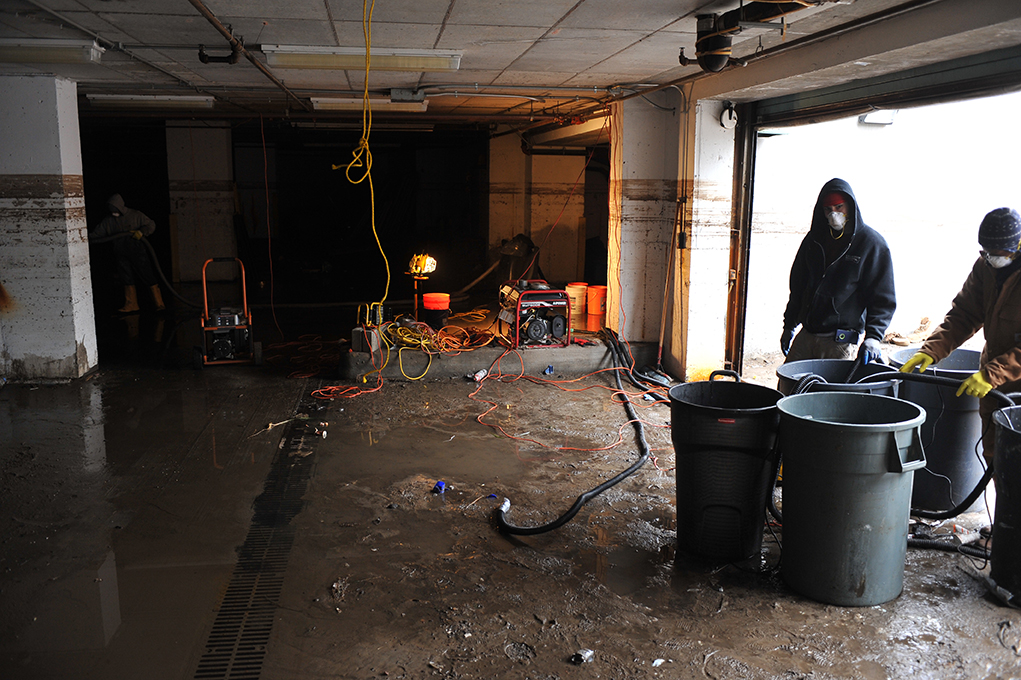
Flood damage, by contrast, is defined as water that comes from an external natural source and affects two or more properties or a broad area of land. Rising water from a river, storm surge, overland runoff after heavy rain, or a flash flood event all fit this definition. That type of damage is almost never covered by a standard homeowners policy. It requires a separate flood insurance policy, often through the National Flood Insurance Program or a private flood carrier.

For property owners in Chicago, Evanston, Skokie, Niles, Des Plaines, and the surrounding region, this distinction comes up constantly. Our area sees a real mix of heavy rain events, aging drainage infrastructure, and basement flooding that can originate from multiple sources at once. Sometimes the same property has both types of damage occurring simultaneously, which makes sorting through the claim even more complex.

Why the Source of Water Is Everything

When we respond to a water or flood emergency, one of the first things we do is help identify where the water actually came from. That sounds straightforward, but it often is not. A finished basement with standing water might have water coming from a sump pump failure (potentially covered under a standard policy with the right rider), from a sewer backup (often requiring its own endorsement), or from groundwater that entered through foundation cracks after a major storm (more likely a flood scenario). Each source can point toward a different part of a policy, or a different policy entirely.

This is exactly why we work directly with insurance carriers on claims. Our team can help document the source and extent of damage in a way that gives adjusters a clear picture. After more than 20 years in the restoration business, we have seen how thorough documentation at the very beginning of a claim changes outcomes for property owners.

What Happens If You Have Both?

This is more common than people expect. A major storm can drive water through a roof opening while simultaneously causing groundwater to push into the basement. You may end up filing with two separate carriers, or identifying coverage gaps that need to be addressed going forward.

We handle the restoration side regardless of how the claim ultimately resolves. Whether it is water removal, structural drying, mold remediation, board-up and roof tarping after storm damage, or full property restoration, our crews respond around the clock. Being available 24/7 is not just a marketing point for us; in water and flood situations, every hour that passes without mitigation increases the cost and complexity of the restoration.

A Few Things to Do Right After the Event

Before an adjuster arrives and before our team is on site, there are steps that help protect your claim and your property.

  • Document everything with photos and video before anything is moved or cleaned.
  • Note when the event started and what you observed about where the water came from.
  • Avoid discarding damaged materials until they have been recorded and ideally seen by an adjuster.
  • Contact your insurance carrier as early as possible to report the loss and ask which policy applies.

If you are unsure which of your policies covers the situation, or whether you have flood coverage at all, that is worth a call to your agent as well. We can assist with property damage appraisals and insurance claim assessments, which can be especially helpful when the source of damage is disputed or unclear.

We Are Here to Help You Through It

The gap between flood restoration and water damage restoration is technical, but the stress of dealing with either one is very real. Our team serves Chicago and the surrounding communities including Evanston, Skokie, Niles, and Des Plaines, and we have helped residential, commercial, and industrial property owners work through claims of every size and complexity. We are insurance company recommended and have longstanding relationships with carriers that make the process smoother for our clients.

If you are dealing with water or flood damage right now, or if you just have questions about what your policy might cover and how restoration works, please give us a call or drop us an email. We are glad to help you figure out the right next step.

Posted in Flood restoration | Comments Off on Flood Damage vs. Water Damage: What’s the Real Difference for Your Insurance Claim

What to Do in the First 24 Hours After Water Damage

Posted on: August 8th, 2026

Water damage restoration is most effective when you act fast. Whether a pipe burst overnight, a storm flooded your basement, or an appliance failed while you were at work, the first 24 hours after water damage are critical. What you do (and what you avoid doing) in that window can mean the difference between a manageable repair and a far more costly, long-term problem. Here is a practical guide to help you move through those first hours with clarity.

Stop the Source If You Safely Can

Water Damage Restoration in Niles, Norridge, Chicago & Nearby Cities

Before anything else, try to stop water from continuing to enter the property. Shut off the main water supply if the damage stems from a broken pipe or plumbing failure. If the flooding is from a storm or exterior source, that step may not be possible, but do what you can to limit additional exposure. If there is any risk of electrical hazards in the affected area, do not enter until the power has been shut off at the breaker. Safety comes first, always.

Document Everything Before You Touch It

Once it is safe to move through the space, take photos and video of all affected areas before you move furniture, pull up flooring, or start any cleanup. Capture standing water, damaged belongings, affected walls and ceilings, and anything else showing visible damage. This documentation is essential for your insurance claim, and the more thorough you are here, the smoother the claims process tends to go.

Speaking of insurance: call your carrier as soon as possible. At A-Emergency Services and Restoration, we work directly with insurance companies on behalf of our clients, so you do not have to navigate that process alone. We also perform property damage appraisals and insurance claim assessments, which takes a significant burden off your plate during an already stressful time.

Call a Professional Restoration Team Right Away

This is not the kind of situation where a few towels and a box fan will be enough. Water moves into walls, subfloors, insulation, and structural materials faster than it looks on the surface. Without professional water removal and drying equipment, moisture left behind becomes a mold problem within 24 to 72 hours.

Our team serves Chicago and surrounding communities including Skokie, Niles, Des Plaines, Morton Grove, and beyond, and we are available 24 hours a day, seven days a week for exactly this reason. Emergencies do not wait for business hours, and neither do we. When you call us, we respond quickly and get to work assessing the full scope of the damage right away.

Move What You Can, But Do Not Over-Do It

While you are waiting for the restoration crew to arrive, you can begin moving smaller personal items, documents, and valuables out of the affected area, provided it is safe to do so. Prop up furniture on blocks or foil if you have it to prevent staining on wet carpet. Open interior doors to encourage airflow. But resist the urge to run fans or a dehumidifier on saturated materials without professional guidance; improper drying can sometimes spread contamination or make structural drying harder later.

Watch for Hidden Damage

Water has a way of traveling far beyond the obvious wet zone. Ceilings can hold water invisibly until they sag or collapse. Walls may feel dry to the touch while the insulation inside is saturated. Subfloors can warp days after the surface appears dry. A trained restoration team uses moisture meters and thermal imaging to find what you cannot see, which is why a professional assessment matters so much in those first hours.

Over more than 20 years serving residential, commercial, and industrial properties across the Chicago area, we have seen how quickly a water event can escalate when the early steps are skipped or delayed. We have also seen how much smoother recovery goes when property owners reach out quickly and let experienced professionals handle the assessment, water removal, drying, and full restoration from start to finish.

A Few Things to Avoid in That First Day

Do not use a standard vacuum to try to remove standing water. Do not turn on ceiling light fixtures or fans if the ceiling is wet. Do not enter rooms where the flooring feels soft or unstable underfoot. And do not assume the damage is less serious than it looks; water damage almost always extends further than the visible surface.

If you are dealing with water damage right now in Chicago, Skokie, Niles, Des Plaines, Morton Grove, or anywhere nearby, please give us a call or drop us an email. We are here around the clock and happy to help you figure out your next steps.

Posted in Water Damage Clean Up | Comments Off on What to Do in the First 24 Hours After Water Damage

How Professional Property Damage Restoration Differs from General Contracting

Posted on: July 18th, 2026

Property damage restoration is a specialized field, and it’s one that looks quite different from standard general contracting — even though both involve skilled tradespeople working on your home or building. If you’ve recently dealt with fire, water, flooding, or mold damage in Chicago, Glenview, Evanston, or any of the surrounding areas, understanding that difference can save you a lot of stress and help you make smarter decisions during an already difficult time.

The Core Difference: Restoration Is About Recovery, Not Just Repair

Process of Property Damage Restoration in Northbrook, Chicago, Evanston, GlenviewA general contractor builds and improves. Their work typically starts with a clean slate or a straightforward renovation plan. Property damage restoration, on the other hand, begins in the middle of a crisis. The goal isn’t just to fix what’s broken; it’s to stabilize the property immediately, assess the full extent of the damage, and then bring the structure back to its pre-loss condition as efficiently as possible.

That distinction matters more than it might seem. A restoration company has to think about hidden moisture behind walls, smoke particles embedded in structural materials, compromised rooflines, and dozens of other factors that a general contractor simply isn’t trained or equipped to address. We’ve been doing this for more than 20 years, and we can tell you that the diagnostic phase alone separates restoration from renovation entirely.

Emergency Response Is Built Into the Process

General contractors work on schedules. Restoration professionals respond to emergencies. When a pipe bursts at 2 a.m. in Park Ridge, or a fire tears through a commercial property in Arlington Heights on a Sunday morning, waiting until Monday for a callback isn’t an option. Restoration companies like ours are available 24/7 precisely because damage doesn’t wait for business hours.

That immediate response also serves a practical purpose: the faster the property is stabilized, the less secondary damage occurs. Boarding up openings, tarping a damaged roof, extracting standing water — these aren’t cosmetic steps. They prevent a bad situation from getting significantly worse while the full restoration plan comes together.

Working With Insurance Is Part of the Job

Here’s something many property owners in Mt. Prospect, Evanston, and across the Chicago area don’t realize until they’re in the middle of a claim: navigating the insurance process is a major part of what a restoration company does. General contractors typically hand you a bid and step back. A restoration company works directly with your insurance carrier, documents the damage thoroughly, and helps ensure the claim reflects the true scope of what needs to be repaired.

We are insurance company recommended and have spent years building the kind of documentation process that supports a smooth claims experience. That includes property damage appraisals and insurance claim assessments, which require a working knowledge of both the construction side and the insurance side of the equation. It’s a level of coordination that general contracting simply doesn’t include.

The Scope of Services Is Fundamentally Different

Restoration covers territory that general contractors rarely touch. Mold remediation, for example, requires specific training, equipment, and protocols to do safely and effectively. Fire and smoke damage involves odor neutralization, soot removal, and content cleaning alongside structural repairs. Flood restoration means addressing not just the visible water but everything it has soaked into — subfloors, insulation, framing.

We serve residential homes, commercial properties, industrial facilities, and even vacant and foreclosed properties across Chicago and surrounding communities like Glenview, Park Ridge, Arlington Heights, and Mt. Prospect. Each property type brings its own set of challenges, and our highly trained staff is equipped to handle all of them.

Personalized Plans for Ongoing Preparedness

One thing that often surprises people is that professional restoration isn’t purely reactive. We offer personalized emergency response service plans so that property owners and managers, especially those overseeing commercial or multi-unit buildings, have a clear plan in place before disaster strikes. Knowing who to call and what to expect makes an enormous difference in those first critical hours.

If you own or manage property in Chicago, Evanston, Glenview, or any of the surrounding areas and want to better understand your options, we’d love to help. Give us a call or drop us an email with any questions — we’re here whenever you need us.

Posted in Property Damage Restoration | Comments Off on How Professional Property Damage Restoration Differs from General Contracting

Fire Damage Restoration vs. DIY Cleanup: Why the Difference Matters for Your Insurance Claim

Posted on: July 8th, 2026

Fire damage restoration is not just about cleaning up soot and airing out smoke. It’s a specialized process that directly affects the health of your home, the safety of your family, and, critically, the outcome of your insurance claim. If you’ve recently experienced a fire at your property in Chicago, Northbrook, Arlington Heights, or anywhere in the surrounding areas, you may be weighing whether to start cleaning things up yourself or call in professionals. That decision carries more weight than most people realize.

What Happens Right After a Fire

Damaged House Before Fire Damage Clean Up in ChicagoThe hours immediately following a fire are chaotic. Once the flames are out and the fire department clears the scene, the damage doesn’t stop. Smoke residue continues to corrode surfaces. Soot settles into porous materials. Water used to extinguish the fire soaks into walls and flooring, creating conditions ripe for mold. Every hour matters, and what you do in that window shapes how fully your property can be restored.


Many property owners in places like Evanston and Park Ridge instinctively want to roll up their sleeves and start cleaning. That impulse is completely understandable, but scrubbing soot with household cleaners, removing charred debris, or airing out rooms without a plan can actually make things worse. Smoke damage penetrates deeply, and DIY methods often spread contamination rather than contain it.

The Insurance Claim Problem with DIY Cleanup

Here’s where the stakes get especially high. Your insurance carrier expects documented, professional remediation. When you attempt cleanup on your own before a claims assessment, you risk removing or obscuring evidence that an adjuster would use to evaluate the full scope of the damage. Items get thrown out, surfaces get altered, and the written record that supports your claim becomes incomplete.

Professional fire damage restoration companies do more than clean. We document everything. Before a single item is moved or a surface is treated, we conduct a thorough property damage appraisal and assessment. That documentation is what an insurance adjuster uses to process your claim properly. We also work directly with insurance carriers, which means we speak the same language as your insurer and can help you get what you’re actually owed rather than a lowball settlement based on incomplete information.

For homeowners and business owners in Harwood Heights, Arlington Heights, and nearby communities, having a restoration team that coordinates with your insurance company from the start can make a significant difference in how quickly your claim moves forward and how much of the repair cost is covered.

What Professional Restoration Actually Covers

Professional fire damage restoration goes well beyond wiping down walls. A trained crew will secure the property first, often with board-up services and roof tarping to prevent weather intrusion and unauthorized entry. From there, the process includes smoke and soot removal using industrial-grade equipment, structural drying, odor neutralization, mold prevention, and when necessary, full reconstruction.

At A-Emergency Services and Restoration, we’ve been handling fire damage, water damage, and property emergencies for more than 20 years. Our team is highly trained in disaster restoration for residential, commercial, and industrial properties across Chicago and surrounding areas. We respond 24 hours a day, seven days a week, because fire doesn’t wait for business hours and neither should your restoration team.

We also offer personalized emergency response service plans, which can be a smart option for property managers, landlords, and business owners who want a clear plan in place before disaster strikes. Whether you own a single-family home in Northbrook, a commercial building in Chicago, or a multi-unit property in Evanston, having a plan and a trusted team already lined up removes a major burden in an already stressful situation.

When DIY Makes Things Harder, Not Easier

It’s worth being direct about this: in most fire damage situations, attempting a DIY cleanup creates more problems than it solves. It can void portions of your insurance coverage, introduce safety hazards like exposure to toxic residue, and delay the professional assessment your claim depends on. Even well-meaning efforts to clean up or preserve belongings can compromise structural evaluations.

The smartest first step after a fire is to secure the property and call a professional restoration company before touching anything. Let the team document, assess, and coordinate with your insurance carrier. That’s not just good advice for your home; it’s the approach that protects your financial recovery too.

If your property has suffered fire damage in Chicago, Park Ridge, Northbrook, or anywhere in the surrounding areas, we’re here and ready to help. Give us a call or drop us an email and we’ll get the process started right away.

Posted in Fire Damage restoration | Comments Off on Fire Damage Restoration vs. DIY Cleanup: Why the Difference Matters for Your Insurance Claim
  • 1
  • 2
  • 3
  • 4
  • 5
  • 6
  • 7
  • 8
  • 9
  • 10
  • 11
  • 12
  • 13
  • 14
  • 15
  • 16
  • 17
  • 18
  • 19
  • 20
  • 21
  • 22
  • 23
  • 24
  • 25
  • 26
  • 27
  • 28
  • 29
  • 30
  • 31
  • >

Fast, Reliable, Quality Restoration Services

24/7 Emergency Service
Phone: 773-529-6700

REQUEST A FREE ESTIMATE

    Name:*

    Email:*

    Phone:*

    Type of Service interested in:

    Comments / Questions :

    Recent Posts

    • Why Fast Water Removal Is the Deciding Factor in Saving Floors, Walls, and Ceilings
    • How to Work With Your Insurance Company During Fire Damage Cleanup
    • What Water Damage Cleanup Actually Involves — And Why It Takes Longer Than You’d Expect
    • How Roof Tarping Protects Your Insurance Claim After Wind or Storm Damage
    • Why Board-Up Service Is the Most Important Call You Make After Property Damage

    We Serve:

    • Home
    • Blog
    • Contact Us
    • Service Areas
    • Morton Grove, IL
    • Chicago, IL
    • Skokie, IL
    • Lincolnwood, IL
    • Niles, IL
    • Arlington Heights, IL
    • Deerfield, IL
    • Des Plaines, IL
    • Evanston, IL
    • Glenview, IL
    • Mt. Prospect, IL
    • Northfield, IL
    • Northbrook, IL
    • Park Ridge, IL
    • Harwood Heights, IL
    • Norridge, IL
    • Sitemap
    Footer Logo

    Copyright 2026 © A-Emergency Services & Restoration, All Rights Reserved. Website by American Creative

    Card list